Biodiversity, environment and the Community Council’s work

What is Biodiversity?
Biodiversity simply means the variety of life — the full range of plants, animals, fungi, insects, microorganisms, and the habitats that support them. It also includes the genetic diversity within species and the complex relationships that link everything together.
Whilst biodiversity is the variety of life, an ecosystem is the place where the living matter interacts – with each other as well as with the soil, water, and climate around them. Healthy ecosystems depend on rich biodiversity, and in turn, biodiversity can only thrive when ecosystems are functioning well. The two are inseparable: one (biodiversity) describes the living parts, the other (ecosystem) describes how those parts work together. Biodiversity underpins healthy ecosystems, and those ecosystems together create the environment we all depend on.
Why biodiversity matters to everyone
Biodiversity underpins the natural systems we all rely on. Diverse habitats support clean water, fertile soils, pollinating insects, flood protection, and the ability of landscapes to recover from storms, drought, and disease. It also shapes our wellbeing — from the food we eat to the green spaces that support our mental and physical health. When biodiversity declines, these everyday benefits weaken, making communities more vulnerable and less resilient.
See Nature Under Pressure, our news item about three major reports released in January 2026.
Why it matters in Wales
Wales holds internationally important habitats — coastal heathlands, dunes, saltmarsh, peatlands, and species‑rich grasslands — many of which are now rare across Europe. Biodiversity underpins rural livelihoods, tourism, and the Welsh Government’s legal duty to pursue sustainable development. BUT nature in Wales is declining fast — wildlife numbers have fallen by 20% since 1994 and one in six species is now at risk of extinction according to the State of Nature Report (2023).
Why biodiversity matters in Rhossili
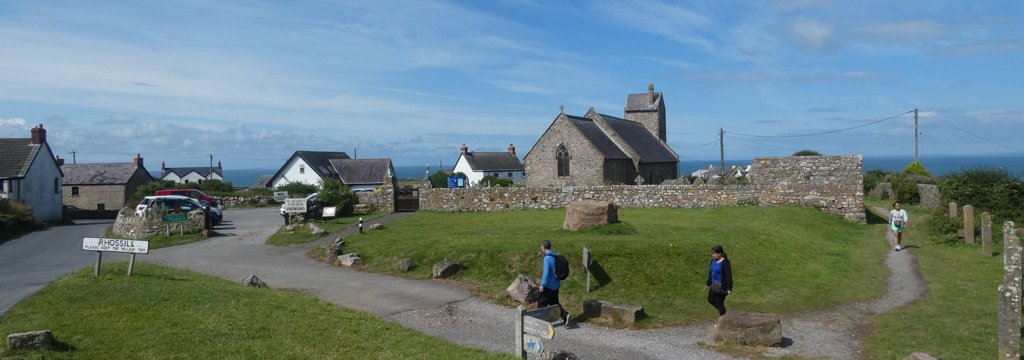
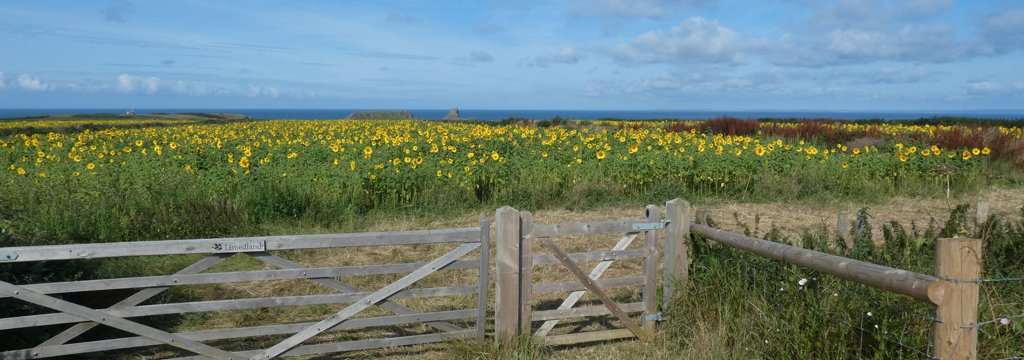
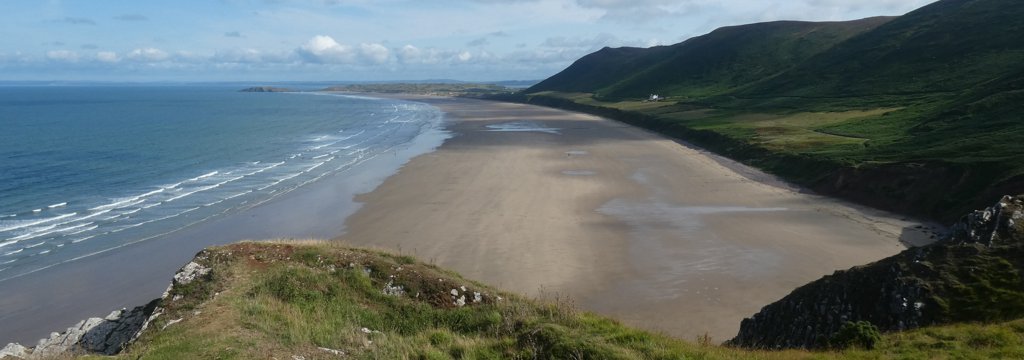
Rhossili’s landscape is rich, distinctive, and internationally recognised for its wildlife. Its dunes, cliffs, heathlands, meadows, and surrounding seas support rare plants, important bird species, pollinators, and marine life found in few other places. These habitats depend on long‑standing grazing patterns, careful land management, and the protection offered by multiple conservation designations. Biodiversity here is not just an environmental asset — it shapes the character of the village, supports local livelihoods, and underpins the beauty and identity that draw people to our community area.

In a nutshell, biodiversity is the living fabric that keeps Rhossili’s land, sea, wildlife, and community healthy — and protecting it safeguards everything we value about this place.
Biodiversity and Resilience of Ecosystems Duty
RCC’s duty
All Community and Town councils in Wales have a legal duty under Section 6 of the Environment Act (2016) to maintain and enhance biodiversity. The Act states that every public body…
…must seek to maintain and enhance biodiversity in the exercise of their functions in relation to Wales, and in so doing promote the resilience of ecosystems, so far as consistent with the proper exercise of those functions.
To comply, a council should:
embed the consideration of biodiversity and ecosystems into their early thinking and business planning, including any policies, plans, programmes, and projects, as well as their day to day activities.
Rhossili Community Council has a designated Councillor Lead and Officer who both take a particular focus on biodiversity to help fulfil this duty.

One Voice Wales supports all Community and Town Councils with advice, resources and training about embedding biodiversity in the Council’s work, particularly in relation to planning and implementing the Section 6 Biodiversity Action Plan. Its Nature Recovery Guide sets out 5 Pillars of Action as a framework for planning:

One Voice Wales keeps a record of all published Section 6 reports and shares this information with Welsh Government. They also provide a list of compliant Councils for publication on the Wales Biodiversity partnership website.
RCC’s plans and reports can be accessed from the links in the section below.
Read our news articles about biodiversity and the environment.
Biodiversity plans and reports
Part of RCC’s duties in relation to biodiversity involve preparing Biodiversity Action Plans and producing progress reports on the objectives set out in the plan. The final reporting round for the 2022-25 BAP is now active, with reports due by the end of 2025.
Because of its budget and size. RCC comes under Group 1 for reporting purposes. This means we are obliged to report on only 3 of the 6 Nature Recovery Action Plan for Wales Objectives.
Reports
Biodiversity Action Plan 2026-2028
View our new Action Plan here.
Section 6 Biodiversity and Resilience of Ecosystems Duty Report 2025
The Biodiversity Action Plan for 2023-2025 can be viewed here (opens in a new tab).
Our Biodiversity and Resilience of Ecosystems Duty Report on Section 6 can be viewed here (opens in a new tab).
Annual Progress Reviews
We must also review the plan on an annual basis, looking at what has gone well, the barriers to progress and setting out the changes we plan to make.
The 2024 Review of our Biodiversity Action Plan can be viewed here.
Planning applications through the biodiversity lens
Rhossili Community Council is a statutory consultee for all planning applications within our boundary and we have a right to submit comments on them to the Planning Authority (City & County of Swansea). One of our responsibilities when doing so is to consider the potential implications for biodiversity and ecosystems. To help us approach this in a consistent way, we have adopted as a preliminary ‘light touch’ Biodiversity and environmental impact checklist to assess planning applications ahead of any more in-depth review.
You can view the checklist here.
More in-depth guidance can be found in the document from One Voice Wales’s Biodiversity & Local Planning Applications. Guidance for Community & Town Councils 2024.

Biodiversity Resources
One Voice Wales The 5 Pillars of Nature Action! Community and Town Council Nature Recovery Guide
One Voice Wales Tackling Climate Chaos
Swansea Local Nature Recovery Action Plan
Wales State of Nature Infographic: an at-a-glance image summarising the latest assessment of the fragile state of nature in the UK.
Wales Biodiversity Partnership is a great website to visit. It has a good explanation about biodiversity and why it matters, with interesting and useful information and links to resources.

